Ensuring Reliable and Safe Transport for Elders and Children

Every day, countless families and communities rely on dependable transportation to ensure their loved ones reach their destinations safely. When it comes to vulnerable groups like children and elders, the stakes are even higher. At Sunflower & Sprouts Shuttles, I have witnessed firsthand how crucial it is to provide transportation that is not only reliable but also compassionate and secure. In this post, I will share insights and practical advice on how to ensure safe transport for elders and children, focusing on safety, comfort, and peace of mind.
Why Safe Transport for Elders Matters
Transporting elders requires special attention to their unique needs. Many seniors face mobility challenges, chronic health conditions, or cognitive impairments that make travel stressful or even dangerous without proper support. Safe transport for elders means more than just getting from point A to point B. It involves:
Accessibility: Vehicles must accommodate wheelchairs, walkers, and other mobility aids.
Comfort: Seniors often need extra cushioning, climate control, and smooth rides to avoid discomfort or injury.
Assistance: Drivers and staff should be trained to help with boarding, securing seat belts, and managing medical devices.
Reliability: Timely pickups and drop-offs are essential to maintain medical appointments, social activities, and daily routines.
For example, a senior living community might schedule regular shuttle services to clinics or community centers. Ensuring these rides are safe and dependable helps elders maintain independence and social connections, which are vital for their well-being.

Key Elements of Safe Transport for Elders
To provide safe transport for elders, several factors must be considered:
Vehicle Safety Features
Handrails and grab bars to assist boarding and exiting.
Non-slip flooring to prevent falls.
Secure seating with proper seat belts or harnesses.
Emergency communication systems for quick assistance.
Trained and Compassionate Drivers
Drivers should be trained not only in defensive driving but also in elder care. This includes understanding how to:
Communicate clearly and patiently.
Recognize signs of distress or discomfort.
Assist with mobility devices safely.
Handle emergencies calmly.
Scheduling and Route Planning
Elders often have medical appointments or social activities that require punctuality. Efficient scheduling and route planning reduce wait times and avoid unnecessary stress.
Health and Safety Protocols
Especially in times of health concerns like flu seasons or pandemics, maintaining cleanliness and following health protocols is critical. Vehicles should be sanitized regularly, and drivers should adhere to hygiene standards.
Will Medicare Pay for Patient Transport?
One common question I encounter is whether Medicare covers transportation costs for patients, especially elders who need to attend medical appointments. The answer depends on specific circumstances.
Medicare Part B may cover non-emergency ambulance transportation if:
The patient’s medical condition requires ambulance transport.
Other transportation methods are unsafe or unavailable.
The transport is to a Medicare-approved facility.
However, routine transportation such as rides to social events or errands is generally not covered. For non-emergency medical transport, some Medicare Advantage plans or Medicaid programs may offer additional benefits.
It is important to verify coverage details with Medicare or your insurance provider before arranging transport. For many families and care providers, partnering with reliable transportation services that specialize in elder care ensures that patients get to their appointments safely, regardless of coverage.
Practical Tips for Ensuring Safe Transport for Children
Children, like elders, require special care during transportation. Whether it’s a school trip, aftercare pickup, or a visit to a clinic, safety is paramount. Here are some practical tips I recommend:
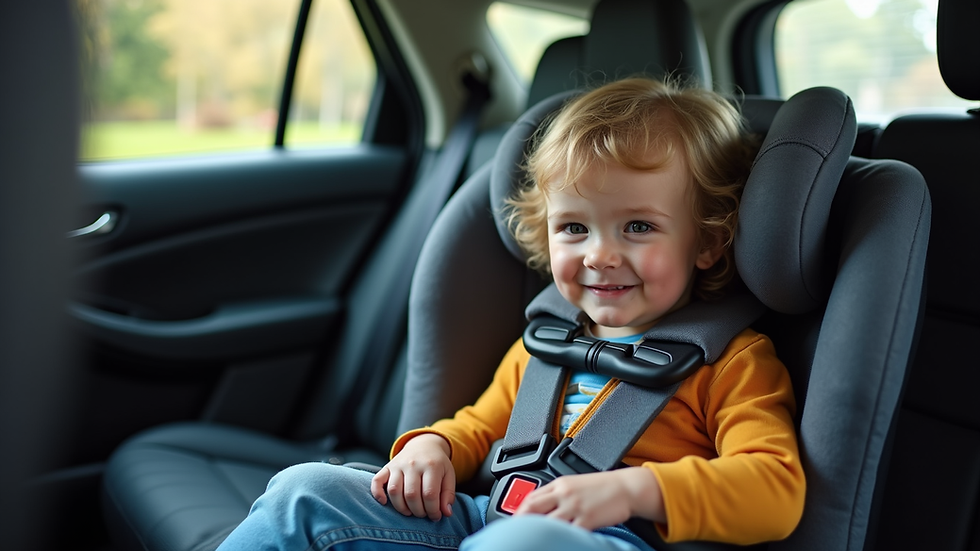
Use Proper Child Safety Seats
Always use car seats or booster seats appropriate for the child’s age, weight, and height.
Ensure seats are installed correctly and securely.
Regularly check for recalls or wear and tear.
Choose Experienced Drivers
Drivers should be trained in child safety protocols and understand how to handle emergencies involving children.
Maintain Clear Communication
Parents and caregivers should have clear communication channels with transportation providers. This includes:
Confirming pickup and drop-off times.
Notifying drivers of any special needs or allergies.
Having emergency contact information readily available.
Plan for Supervision
For younger children, having an adult or responsible older child accompany them during transport can provide extra safety and reassurance.
Regular Vehicle Maintenance
Ensuring vehicles are well-maintained reduces the risk of breakdowns or accidents during transport.
How to Choose the Right Transportation Service
Selecting a transportation provider for children and elders is a decision that requires careful consideration. Here are some criteria I always emphasize:
Safety Record: Check the company’s safety history and certifications.
Training: Confirm that drivers and staff receive ongoing training in safety and customer care.
Vehicle Quality: Look for modern, well-maintained vehicles equipped with necessary safety features.
Reputation: Seek reviews or testimonials from other clients.
Flexibility: The provider should accommodate special needs and last-minute changes.
Compassion: The team should demonstrate genuine care and respect for passengers.
At Sunflower & Sprouts Shuttles, we embody these values by putting safety first, showing compassion, and maintaining reliability. Our commitment to community pride means we treat every passenger like family.
The Importance of Reliable Scheduling and Communication
One of the biggest challenges in transportation for vulnerable populations is ensuring reliability. Delays or missed pickups can cause significant stress and disrupt important appointments or activities.
To avoid this, I recommend:
Using technology for real-time tracking and updates.
Providing clear schedules to families and caregivers.
Having backup plans for emergencies or vehicle issues.
Maintaining open lines of communication between drivers, dispatchers, and clients.
Reliable scheduling builds trust and helps everyone involved plan their day with confidence.
Final Thoughts on Safe and Compassionate Transportation
Ensuring safe and reliable transportation for children and elders is a responsibility that requires attention to detail, empathy, and professionalism. Whether it’s a trip to a clinic, school, community center, or social event, every journey should be handled with care.
By focusing on safety features, trained personnel, clear communication, and compassionate service, we can make a positive difference in the lives of those who depend on us. If you are looking for a transportation partner who shares these values, consider the importance of choosing a service dedicated to putting safety and community first.
For more information on how to provide the best care during transit, explore trusted resources on child and elder transportation.
Together, we can ensure that no one is left behind in their daily routines and that every ride is a step toward greater independence and well-being.


Comments