Ensuring Safe Family Transport Solutions for Children and Elders

Transporting our most vulnerable family members—children and elders—requires more than just a vehicle and a destination. It demands a commitment to safety, reliability, and compassion. Every trip should be a secure journey that respects the unique needs of these passengers. At Sunflower & Sprouts Shuttles, we understand this deeply. Our mission is to provide safe, reliable, and compassionate transportation for Central Florida’s most precious passengers, ensuring that no one is left behind in their daily routines.
In this post, I will share practical insights and actionable recommendations to help you ensure safe family transport solutions for children and elders. Whether you are managing transportation for aftercare programs, schools, community centers, clinics, or senior citizen communities, these guidelines will help you create a safer travel experience.
Understanding Safe Family Transport Solutions
Safe family transport solutions go beyond just getting from point A to point B. They involve a comprehensive approach that prioritizes the physical and emotional well-being of passengers. For children and elders, this means considering their specific vulnerabilities and needs.
Key elements of safe family transport solutions include:
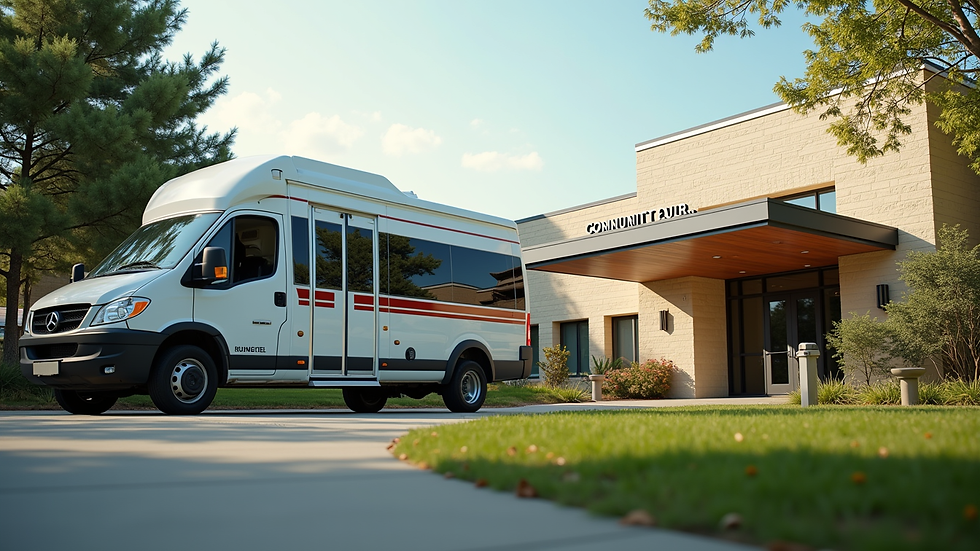
Vehicle Safety: Ensuring vehicles are well-maintained, equipped with proper safety features such as seat belts, child safety seats, and wheelchair accessibility.
Trained Drivers: Drivers should be trained in defensive driving, first aid, and how to assist passengers with special needs.
Clear Communication: Keeping open lines of communication with families, caregivers, and institutions to coordinate schedules and special requirements.
Emergency Preparedness: Having protocols in place for medical emergencies, vehicle breakdowns, or unexpected delays.
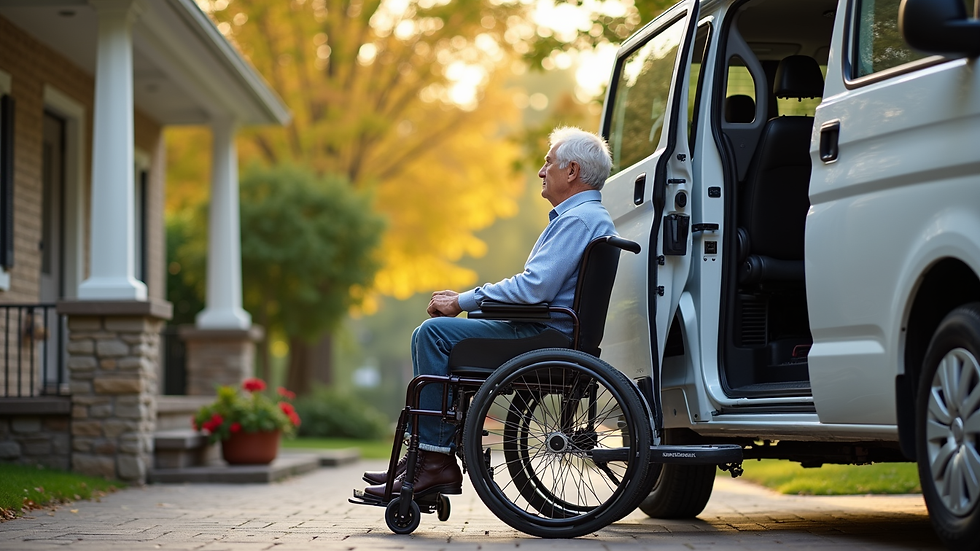
For example, when transporting children, it is essential to use age-appropriate car seats and booster seats. For elders, vehicles should have easy access, such as low steps or ramps, and comfortable seating to reduce strain.
Practical Tips for Ensuring Safety in Child and Elder Transportation
When organizing transportation for children and elders, attention to detail can make all the difference. Here are some practical tips that I have found effective:
Use Certified Child Safety Seats and Restraints
Always use car seats that meet current safety standards. For children, this means selecting the right seat based on age, weight, and height. For elders, ensure seat belts are comfortable and easy to fasten.
Schedule Regular Vehicle Inspections
Regular maintenance checks prevent breakdowns and ensure safety features like brakes, tires, and lights are functioning properly.
Train Drivers on Passenger Needs
Drivers should understand how to assist passengers with mobility challenges, cognitive impairments, or anxiety about travel.
Implement a Buddy System
For children, pairing them with a responsible buddy or adult can help ensure no one is left behind or lost during transit.
Maintain Clear Identification and Contact Information
Each passenger should have identification tags or cards with emergency contact details, especially for elders who may have memory issues.
Plan Routes Carefully
Choose routes that minimize travel time and avoid hazardous areas. Consider traffic patterns and weather conditions.
Communicate with Caregivers and Families
Provide real-time updates on arrival and departure times. Use apps or messaging systems to keep everyone informed.
By following these tips, you can create a transportation environment that is both safe and reassuring for passengers and their families.
Will Medicare Pay for Patient Transport?
Understanding the financial aspects of transportation for elders, especially those with medical needs, is crucial. Many families and organizations wonder if Medicare covers patient transport.
Medicare may cover non-emergency medical transportation (NEMT) if it is deemed medically necessary. This includes transportation to and from medical appointments when the patient cannot use other means of transportation due to their medical condition.
Key points about Medicare coverage:
Coverage is typically limited to trips to Medicare-approved providers.
Transportation must be to the nearest appropriate facility.
Ambulance services are covered only when other transportation could endanger the patient’s health.
Prior authorization may be required.
It is important to check with Medicare or your local Medicaid office for specific eligibility and coverage details. For many families, understanding these options can help reduce the financial burden of necessary medical transport.
Creating a Compassionate Transportation Experience
Safety is paramount, but compassion is what truly makes transportation a positive experience for children and elders. Compassionate transport means recognizing the emotional and physical needs of passengers and responding with kindness and patience.
Here are some ways to foster compassion in transportation services:
Personalize the Experience: Learn about passengers’ preferences and needs. For example, some elders may appreciate quiet rides, while children might enjoy gentle conversation or music.
Provide Assistance: Help with boarding, securing seat belts, and carrying belongings.
Be Patient and Attentive: Allow extra time for passengers who need it and be ready to adjust plans if necessary.
Create a Friendly Environment: Encourage drivers and staff to build rapport with passengers, making them feel valued and safe.
By combining safety with compassion, transportation services can become a source of comfort and trust for families and communities.
Leveraging Technology for Enhanced Safety and Reliability
Technology plays a vital role in modern transportation solutions. Utilizing the right tools can improve safety, communication, and efficiency.
Some technological solutions to consider:
GPS Tracking: Allows real-time monitoring of vehicles, ensuring timely arrivals and departures.
Mobile Apps: Enable parents, caregivers, and staff to track rides and receive notifications.
Safety Cameras: Installed inside vehicles to monitor passenger safety and driver behavior.
Electronic Logs: Keep detailed records of trips, maintenance, and incidents for accountability.
Implementing these technologies can help organizations provide transparent, reliable, and safe transportation services.
Final Thoughts on Safe Family Transport Solutions
Ensuring safe transportation for children and elders is a responsibility that requires dedication, knowledge, and heart. By focusing on safety, compassion, and reliability, we can create transport solutions that support the well-being of our most vulnerable passengers.
At Sunflower & Sprouts Shuttles, we are proud to serve Central Florida with a commitment to these values. Whether you are coordinating transportation for aftercare, clinics, senior communities, or schools, remember that every journey matters. Together, we can make every trip a safe and positive experience.
For more information on how to improve your transportation services, consider exploring resources on child and elder transportation and connecting with professionals who share your commitment to safety and compassion.


Comments