Reliable Injury Recovery Transport: Ensuring Safe Journeys After Personal Injury

Recovering from a personal injury is a challenging process that requires not only medical care but also reliable support in daily activities. One critical aspect often overlooked is transportation. Whether it’s getting to medical appointments, therapy sessions, or simply running essential errands, dependable transport services play a vital role in a smooth recovery. I want to share insights on how reliable injury recovery transport can make a significant difference in the healing journey.
Why Injury Recovery Transport Matters
After an injury, mobility can be limited, and the need for safe, comfortable transportation becomes essential. Many individuals face difficulties using public transit or driving themselves due to pain, medication side effects, or physical restrictions. This is where specialized injury recovery transport services come in.
These services are designed to accommodate the unique needs of injured passengers. They offer:
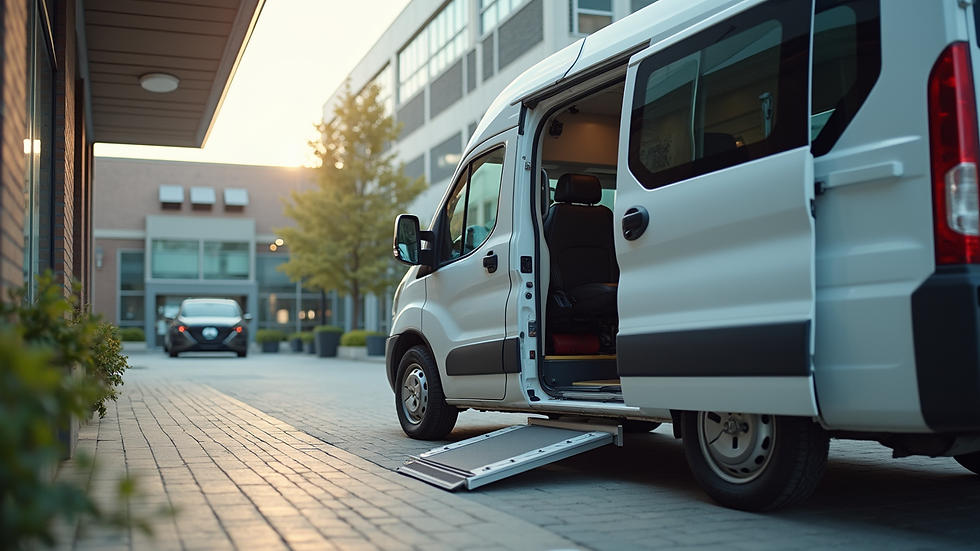
Comfortable vehicles equipped with supportive seating and easy access.
Trained drivers who understand the importance of patience and care.
Flexible scheduling to align with medical appointments and personal needs.
Safety protocols that prioritize the passenger’s well-being.
For example, a person recovering from a broken leg may require a vehicle with wheelchair access or extra space to stretch out. A driver familiar with injury recovery can assist with getting in and out of the vehicle safely, reducing the risk of further injury.
How Injury Recovery Transport Supports Daily Life
Reliable injury recovery transport is more than just a ride. It’s a lifeline that helps maintain independence and dignity during a vulnerable time. Here are some practical ways it supports daily life:
Medical Appointments - Timely and stress-free transportation to doctors, physical therapy, and follow-up visits.
Pharmacy Visits - Easy access to prescription pickups without the hassle of public transit.
Community Engagement - Opportunities to attend social events, support groups, or community centers to avoid isolation.
Errands and Shopping - Assistance with grocery shopping or other essential errands that might be difficult to manage alone.
Legal and Administrative Visits - Transportation to law offices or insurance meetings related to personal injury claims.
By providing these services, injury recovery transport helps reduce anxiety and physical strain, allowing individuals to focus on healing.

What is the hardest injury to prove?
In personal injury cases, proving the extent and legitimacy of an injury can be complex. Some injuries are more difficult to document and validate than others. The hardest injuries to prove often include:
Soft tissue injuries such as whiplash or muscle strains, which may not show up clearly on X-rays or MRIs.
Chronic pain conditions like fibromyalgia, where symptoms are subjective and vary widely.
Psychological injuries including PTSD or anxiety disorders resulting from an accident.
These injuries require thorough medical documentation, expert testimony, and sometimes, ongoing treatment records to establish their impact. Reliable transport to medical and legal appointments is crucial for gathering this evidence and attending necessary evaluations.
Choosing the Right Injury Recovery Transport Service
Selecting a transport service that truly understands the needs of injured passengers is essential. Here are key factors to consider:
Safety First: The service should have a strong safety record, well-maintained vehicles, and drivers trained in first aid and emergency procedures.
Compassionate Care: Drivers and staff should be empathetic, patient, and respectful, recognizing the challenges faced by injured individuals.
Reliability: Punctuality and consistent availability are critical to avoid missed appointments or added stress.
Accessibility: Vehicles should accommodate wheelchairs, walkers, or other mobility aids.
Community Focus: A service that values community pride and connection often goes the extra mile to support passengers beyond just transportation.
At Sunflower & Sprouts Shuttles, these values are at the heart of every trip. We believe that every journey should be safe, reliable, and full of compassion, especially for those recovering from injury.
How to Maximize Your Injury Recovery Transport Experience
To get the most out of your injury recovery transport, consider these actionable tips:
Plan Ahead: Schedule rides well in advance to ensure availability, especially for critical medical appointments.
Communicate Needs Clearly: Inform the service about any special requirements such as mobility aids, medication schedules, or assistance needed.
Keep a Contact List: Have the transport provider’s contact information handy for any last-minute changes or emergencies.
Prepare for the Ride: Dress comfortably, bring any necessary medical documents, and have a phone or entertainment to make the trip more pleasant.
Provide Feedback: Share your experience with the service to help improve future rides and ensure your needs are met.
Using these strategies can help reduce stress and make transportation a seamless part of your recovery.
Why Reliable Transport is a Vital Part of Recovery
Injuries can disrupt every aspect of life, but having access to dependable transportation can restore a sense of normalcy and control. Reliable transport services enable injured individuals to:
Maintain independence without relying solely on family or friends.
Attend all necessary medical and legal appointments without delay.
Stay connected to their community and support networks.
Avoid additional physical strain or risk of re-injury during travel.
If you or someone you know is navigating the challenges of recovery, consider the benefits of personal injury reliable transport. It’s an investment in safety, comfort, and peace of mind during a critical time.
Supporting Recovery with Compassion and Care
At the core of effective injury recovery transport is compassion. Every passenger deserves to feel valued and cared for throughout their journey. This means:
Drivers who listen and respond to concerns.
Vehicles that prioritize comfort and accessibility.
A commitment to community pride and support.
By choosing a service that embodies these principles, you ensure that transportation is not just a necessity but a positive part of the healing process.
Reliable injury recovery transport is more than a convenience - it’s a crucial component of comprehensive care. With the right service, every trip becomes a step forward on the path to recovery.



Comments